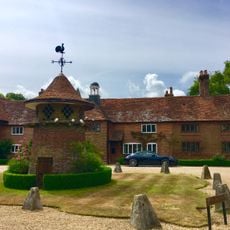
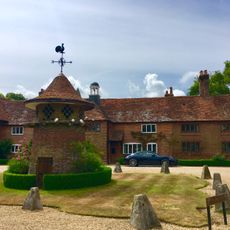
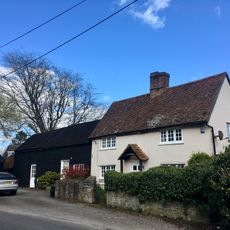
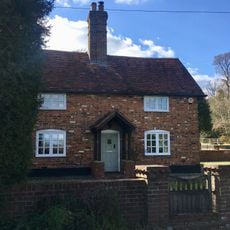
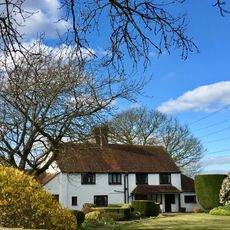
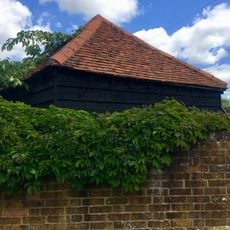
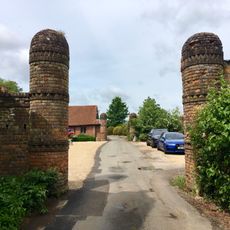
Hyde House, Grade II listed house in Chartridge, England
Hyde House is a Grade II listed building in Chartridge that displays architectural features from the late 17th and early 18th centuries, with alterations made during the early 19th century. The structure underwent significant restoration work in 2000 to restore it to its original use as a single private residence.
The property was originally known as Chesham Woburn Manor and belonged to Woburn Abbey before becoming the residence of politician Robert Plumer Ward in the early 1800s. Over time it served as a school and apartments before being returned to single-residence use in 2000.
The house was home to Benjamin Disraeli during his formative years as a writer and thinker. It played a role in the creative development of one of Britain's most notable literary and political figures.
The building is a private residence and not open to the public, though it can be viewed from outside to appreciate its architecture and setting. The nearby village of Chartridge provides parking and basic amenities for those exploring the area.
During World War II the house served as a recovery home for patients of surgeon Archibald McIndoe, a pioneer in plastic surgery. This medical connection reveals an unexpected chapter in its more recent past.
Komunitas para pelancong yang penuh rasa ingin tahu
AroundUs menghimpun ribuan tempat pilihan, tips lokal, dan permata tersembunyi, yang diperkaya setiap hari oleh 60,000 kontributor di seluruh dunia.